Deprecated: mb_convert_encoding(): Handling HTML entities via mbstring is deprecated; use htmlspecialchars, htmlentities, or mb_encode_numericentity/mb_decode_numericentity instead in /home/court/domains/agencourt.com/public_html/wp-content/plugins/AutoLink-Nofollow/AutoLink Nofollow.php on line 36
Accidents caused by falls can result in serious injuries. It is important to know the difference between “slip-and-falls” and “trip-and falls”, especially when it comes to determining liability and seeking compensation in court. Losing balance and falling are the causes of both accidents. The circumstances and the consequences of each accident can be quite different. This article examines how slip and fall incidents differ from trip and fall incidents. The article also covers common causes, legal concerns, and what you should do in the event of either type.
1. Definition of trip and fall
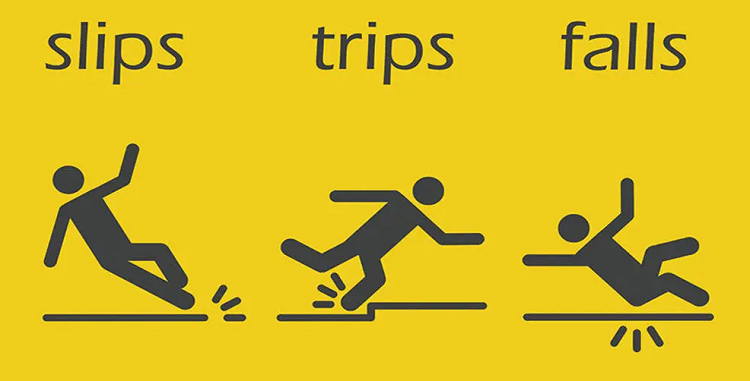
A person falls when they trip or stumble over an object or uneven surface, which causes them to lose balance. Trip and falls are usually caused by a hazard or obstacle that disrupts a person’s path. A trip and falls occurs when an obstacle or irregularity makes walking forward difficult.
Trip and fall accidents:
- Uneven Surfaces: Sidewalks, paths, or floors that have cracks, elevation changes, or other irregularities can cause a person to fall.
- A person can trip on a carpet that is damaged or too tight.
- Obstructions: Cords, cables and other items left on the walkways can cause trip hazards.
- Stairs and Steps: Uneven steps, poorly designed stairs or the absence of handrails can lead to a trip-and-fall accident.
Trip and fall injuries are frequently the result of property managers or owners who have failed to create safe conditions, or warned adequately about hazards. The injured party must prove that the responsible party knew or should have known about the hazard and failed to do anything to fix it or warn others.
2. Slip and Fall Definition
When a person loses their balance and falls after slipping on a slippery surface, it is called a “slip-and fall”. Slip and falls can be caused by the lack of friction that exists between footwear and the surface. The key here is the presence of a surface which causes the person to lose traction.
Slip and fall accidents are caused by a variety of factors.
- Slippery floors – Spills, leaks and newly mopped floors can cause people to fall.
- In colder climates, ice or snow may accumulate on parking lots or sidewalks. It could be dangerous if it is not treated or removed immediately.
- Unstable or loose flooring can cause slips.
- Highly polished surfaces like marble and tiles can be slippery if not treated properly.
Slip and fall accidents can be caused by the failure of property managers or owners to maintain a safe surface. In order to establish legal liability, the injured party must prove that the responsible party knew or should have known about the dangerous condition and did not take appropriate action to remedy it.
3. What is the difference between a slip and fall and a trip and fall?
It is important to understand the difference between a trip and a slip and fall. This will help you determine your liability and type of injury.
- The Fall:
- When a person stumbles or falls over an obstruction, it is called a trip and fall.
- Lack of traction is the cause of a slip and fall on a slippery surface.
- Patterns of Injury
- People who trip and fall can sustain injuries such as sprained finger, broken bones (from trying their best to catch themselves using their hands), or facial injuries if they fall forward.
- People tend to fall when they lose traction. This can lead to back injuries, hip fractures, and concussions.
- Proof of Liability
- When a person trips and falls, it is important to determine if the obstacle or unevenness could have been predicted and if there were adequate warnings or repairs made.
- It is crucial to determine if the person responsible for the slip and fall knew about the slippery conditions or should have known. Also, it is important to determine whether the responsible party took steps to fix the problem or alerted others of its existence.
4. Legal considerations for trip and fall cases vs. Slip and Fall Cases
It is important to consider the type of accident that occurred when pursuing a claim for a trip or slip and fall. The courts may consider the following factors:
- It is essential to show that the owner or manager of the property was aware of any danger. If it can be proved that the property manager or owner knew (or should know) about a dangerous condition but took no action, they may be held liable.
- Courts often determine whether the owner maintained the property in a reasonable way. It is crucial to determine whether the owner of the property conducted regular inspections, and whether any hazards were promptly addressed.
- Comparative negligence – In some cases, the actions of an injured party can be evaluated in order to determine whether they share fault for the accident. When determining liability, a person’s actions can be considered if they were found to have texted while walking but didn’t see a clearly-marked danger.
5. What to do if you slip or trip and fall?
If you are involved in a trip and fall or a slip and fall accident, these steps can help protect your legal rights.
- Seek Medical Attention. You should always put your health first and seek medical attention immediately, even if it seems like the injury is minor. Legal claims require medical records.
- Take pictures of the accident scene, including any hazards, lighting conditions, or other details. Documentation can help establish the cause of an accident and determine liability.
- Report the incident. Inform the owner or manager of the property as soon as possible. You should keep a copy of the incident report, as it may be used in court.
- You can ask for witness statements if you know anyone who saw the fall. Get their contact information and request a statement. They may be able to provide important information that will support your claim.
- Consult an attorney: An experienced personal injury lawyer will guide you through the process and determine the best path for your accident.
6. The conclusion to the article is as follows:
Although they may appear similar, slip and fall accidents as well as trip and fall accidents have different causes and outcomes. Slip and fall accidents usually occur when conditions are slippery. Trip and fall accidents are often caused by obstacles or uneven surfaces. Understanding the difference between these two types is important for determining fault and pursuing compensation in court.
You can protect your rights by taking the appropriate steps. For example, you should document your accident and seek medical attention. You will receive the support and compensation you deserve.
Jeanette Secor PA Attorney At Law wrote this article.
The Law Office of Jeanette Secor, located in St. Petersburg FL for over 20 years, has been the top choice of anyone looking for justice after an accident. St. Pete car accident lawyer . Jeanette Secor, a well-known attorney who is an expert in slip and falls cases. She has successfully represented clients in motorcycle accidents as well as car accidents and slip-and-fall incidents.